
In online casino culture, animals are rarely simple decoration. They work as signals, moods, and compact stories. When a player looks at a themed slot lobby or reads about platforms such as Unibet, the animal imagery around the games can be read almost like a digital bestiary. A zoologist would see more than lions, wolves, eagles, snakes, fish, and mythical hybrids. They would see how instinct, habitat, movement, and human imagination are turned into entertainment design.
This does not make casino games a biology lesson. It shows why animal symbols work so fast on a screen. A slot has only a moment to explain its world. A lion suggests power. A fox suggests cunning. An eagle suggests height. A snake suggests danger. These meanings are cultural, but they guide the first impression.
Why Animal Symbols Work Quickly
Animals are easy for the human brain to classify. Eyes, teeth, wings, claws, scales, horns, and movement patterns are recognized almost immediately. Designers use that recognition to give a game identity before the player studies rules or features. A jungle theme feels different from a winter wolf game because the animals define the mood.
From a zoological angle, this is interesting because casino art borrows from survival traits. Predators give intensity. Herd animals suggest abundance. Birds suggest freedom. Marine animals suggest depth. Even when the image is exaggerated, the starting point is usually biological.
Predators and the Language of Power
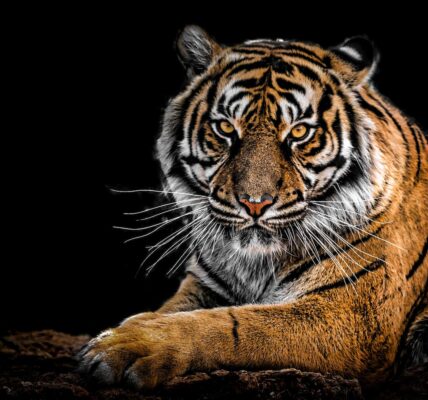
Predators dominate digital bestiaries because they are visually decisive. Lions, tigers, wolves, sharks, and eagles need little explanation. A lion with a golden mane can stand for wealth. A wolf under a moon can create a colder and more strategic atmosphere. A shark can turn a game world into a scene of speed, pressure, and risk.
A zoologist would also notice the simplification. Real predators are not dramatic every second. They often conserve energy. Casino design compresses them into one intense pose: the roar, the leap, the stare, the wing spread, or the open jaws. The animal becomes tension, not a complete creature.
Birds, Flight, and Hidden Knowledge
Birds bring a lighter visual energy. Eagles, falcons, owls, parrots, and phoenix-like creatures add motion without crowding the screen. Wings suggest elevation. Feathers add texture. Flight makes even a static thumbnail feel active.
The owl carries two meanings at once. In nature, it is a nocturnal hunter. In culture, it suggests wisdom and secrets. The phoenix is mythology built from bird anatomy. Fire, feathers, and rebirth make it ideal for dramatic transitions.
Reptiles, Insects, and Productive Unease
Not every casino animal is meant to feel friendly. Snakes, scorpions, spiders, beetles, and crocodiles create tension because they trigger older reactions. Their bodies are compact and easy to stylize. A snake can become a border, a moving line, or a guardian of treasure. A crocodile can suggest patience and sudden force.
This is where the bestiary meets archaeology and myth. Many insects and reptiles are not shown as ordinary animals. They become temple signs, guardians, or keys to hidden chambers. A scarab can connect the image to ancient Egypt instantly. Accuracy matters less than clarity.
Marine Creatures and Hidden Worlds
Underwater animals create a whole environment around themselves. Fish, dolphins, octopuses, turtles, whales, and seahorses bring color, motion, and depth. A marine creature brings its own setting: water, bubbles, coral, pearls, wrecks, and filtered light.
A zoologist might say that these digital oceans are highly selective. Real marine ecosystems are complex, fragile, and often less bright than entertainment design suggests. Casino visuals choose the most readable sea. They exaggerate contrast and motion. The result is not a documentary ocean. It is an aquarium of symbols.
Mythical Hybrids and Human Imagination
The casino bestiary also includes creatures no zoologist can classify: dragons, griffins, unicorns, phoenixes, and other hybrids. They show how people combine animal traits to express moods one real species cannot carry alone. A dragon mixes scales, wings, claws, fire, and treasure. A griffin joins eagle and lion into one figure.
These hybrids are not errors. They are evidence of how humans use animal forms to organize fantasy. The medieval bestiary has moved into game menus, slot icons, banners, and promotional art.
What the Bestiary Says About Design
Animal imagery works because it is fast, emotional, and flexible. It can make a game feel dangerous, elegant, comic, mysterious, ancient, wild, or luxurious in one image. In the wider online casino space, this bestiary supports visual navigation. It helps users separate themes and choose an atmosphere, not only a title.
The zoologist’s view makes the pattern clearer. These animals are not random mascots. They are compressed ideas about speed, strength, patience, abundance, danger, flight, and hidden worlds. The real animal is only the beginning. The digital bestiary turns biology into mood and design.